


Nigeria’s Problem Is Indiscipline, Not Corruption -Dr. S.O. Jimoh
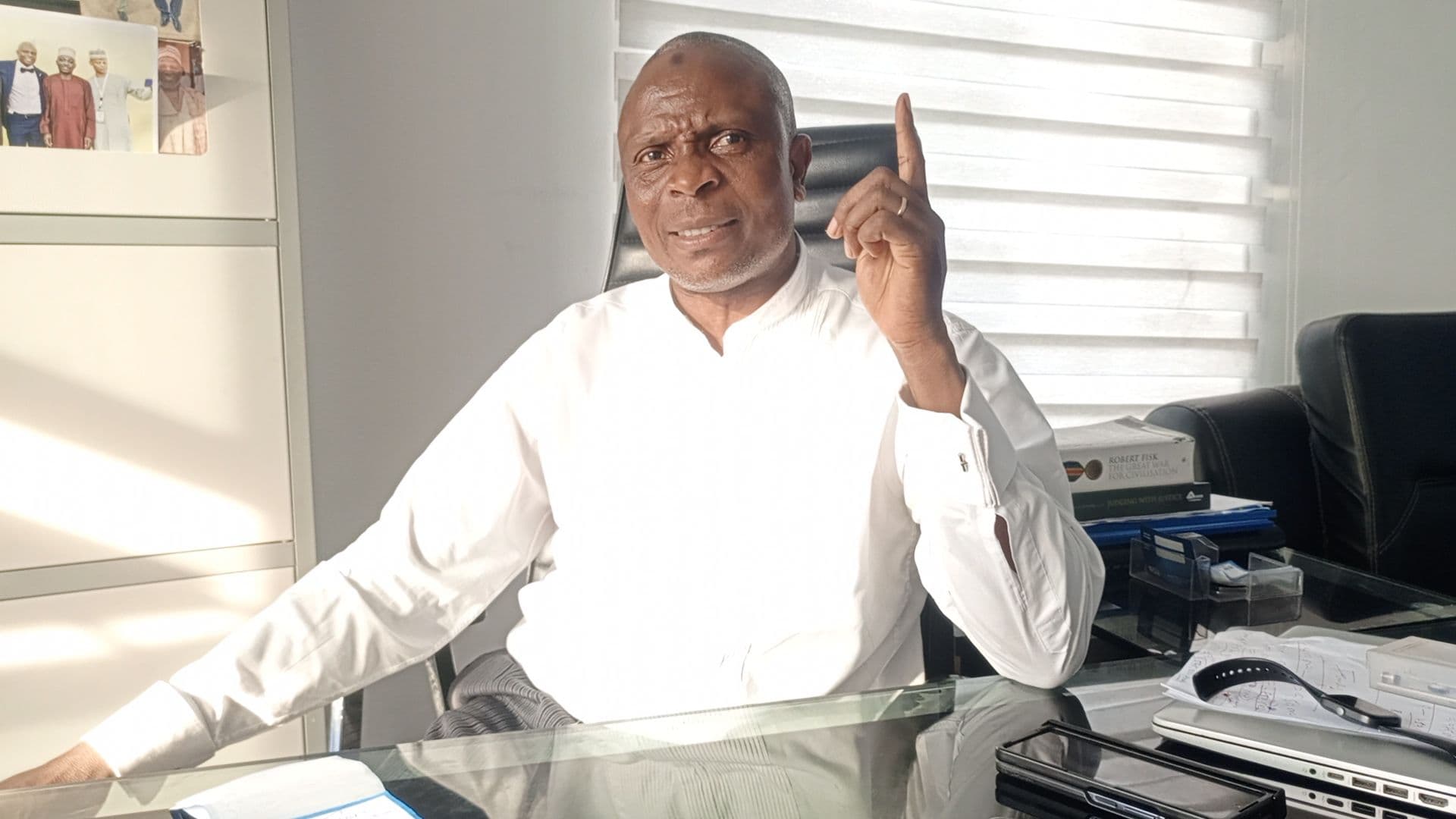
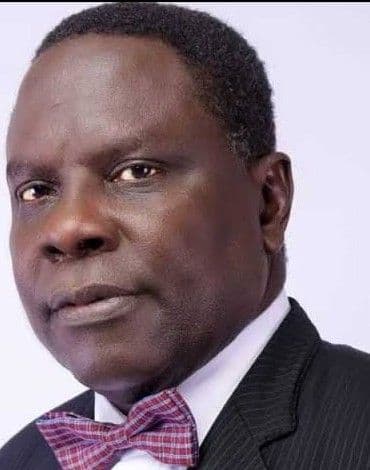
Dr. S.O. Jimoh, Chairman of the Nigerian Bar Association (NBA), Epe Branch, has argued that corruption is not Nigeria’s real problem, but merely a manifestation of deeper systemic failures rooted in indiscipline.
Dr. Jimoh made the assertion in a recently released statement, where he maintained that the fundamental challenge confronting Nigeria is the absence of discipline across governance, institutions, and society at large.
According to him, Nigerians are often described as ungovernable, a perception he said is contradicted by their conduct in environments where discipline is enforced. He noted that no fewer than four or five flights depart Nigeria for the United Kingdom daily, each carrying between 300 and 500 passengers, about 85 to 90 per cent of whom are Nigerians.
Dr. Jimoh
He observed that while these passengers are often rowdy and unruly while still on Nigerian soil, their behaviour changes immediately once their flights land at Heathrow or Gatwick airports.
“You suddenly see another set of Nigerians—composed, disciplined, and governable,” he said.
The Acting Dean of the Faculty of Law at Crescent University explained that the change in attitude is driven by the strong emphasis placed on discipline in the United Kingdom. According to him, there is a minimum standard of behaviour expected of anyone entering the country, unlike Nigeria, where he lamented that discipline is largely absent and people are free to act without consequences.
“When the government is not disciplined, how do you expect the citizens to be disciplined?” Dr. Jimoh asked. “When the father in the home is not disciplined, how do you expect the children raised in that home to be disciplined? If the school system is full of indiscipline, what do you expect from the products of that school?”
Reflecting on the Babangida–Idiagbon regime and the introduction of the War Against Indiscipline (WAI), Dr. Jimoh recalled that during that period, people queued at bus stops and no one dared to litter the environment.
He argued that a government that cannot effectively manage waste disposal would struggle to govern a population with diverse opinions, describing the situation as a serious national challenge. He added that the solution lies in instituting a minimum standard of discipline across all sectors of society.
Dr. Jimoh also commended former Lagos State Governor, Babatunde Raji Fashola, for what he described as a 360-degree turnaround in Lagos State, particularly in restoring discipline and order.
Furthermore, he stated that corruption can never be completely eradicated in Nigeria, stressing that the only sustainable solution is the enforcement of discipline.
“Corruption is a fruit, not the seed and not the tree,” he said. “Indiscipline is what fuels corruption. Fighting corruption alone is like cutting the leaves of a tree. If you want to uproot corruption, then you must fight indiscipline.”
Dr. Jimoh further clarified that corruption is not a specific offence under Nigerian law.
“There is no crime called corruption,” he noted. “Corruption is a generic term for various acts of indiscipline that have been criminalised.”
He explained that many forms of indiscipline—such as lobbying, favouritism, and nepotism—have not been criminalised in Nigeria and are therefore legally permitted, even though they qualify as corruption in the broader sense.
“These practices are fruits of indiscipline,” he said. “Because Nigeria has not criminalised them, people are free to engage in them without consequences.”

More like this